Creator analytics that actually help grow revenue and engagement
Learn how creator business analytics, conversion tracking, and engagement insights help creators, agencies, and brands improve ROI, grow audiences, and increase revenue with data-driven decisions.
By

Subsig Team

The creator economy is no longer driven by follower count alone. Today, creators, agencies, and brands rely on creator business analytics to understand what content converts, what audiences engage with, and where revenue opportunities exist. Without accurate analytics, creators risk wasting time on campaigns, platforms, and audiences that do not produce measurable results.
Platforms like Subsig, CreatorIQ, HypeAuditor, GRIN, and Modash are helping creators and teams move beyond vanity metrics by offering deeper creator conversion analytics and creator engagement analytics that support long-term growth decisions.
Why creator business analytics matter
Creator business analytics provide a complete view of how creator content performs across platforms and campaigns. Instead of tracking only likes or views, analytics tools now measure:
Audience retention
Engagement quality
Conversion behavior
Revenue attribution
Campaign ROI
Subscriber growth
Funnel performance
These insights help creators understand what drives business outcomes instead of surface-level activity.
For example, a creator running affiliate campaigns may notice high video views but low purchase conversions. With proper creator conversion analytics, they can identify where audiences drop off in the funnel and improve content strategy accordingly.
Platforms like Subsig Blog help creators and teams organize performance insights into actionable reports.
The rise of creator conversion analytics
Conversion analytics focus on measurable actions tied to revenue or business goals. This includes:
Product purchases
Newsletter signups
Paid subscriptions
Affiliate clicks
App installs
Course enrollments
Unlike standard engagement metrics, conversion analytics show whether creator content actually influences audience decisions.
A creator with lower engagement but higher conversions may be significantly more valuable to brands than a creator with viral reach but weak purchasing influence.
Common conversion metrics creators track
Metric | Sample benchmark | Why it matters | Business value |
Click-through rate (CTR) | 0.7% – 2% | Measures audience action after viewing content | Helps improve CTA performance |
Conversion rate | 1% – 5% | Tracks completed actions like purchases or signups | Indicates campaign effectiveness |
Cost per acquisition (CPA) | Depends on niche | Evaluates marketing efficiency | Helps optimize sponsorship spend |
Revenue per subscriber | Varies by creator model | Measures monetization quality | Improves profitability forecasting |
Landing page retention | 30–60 seconds | Shows audience intent and engagement | Identifies funnel weak points |
Returning viewer rate | 20%+ considered strong | Measures audience loyalty | Indicates long-term creator trust |
These metrics help creators refine campaigns, improve monetization strategies, and negotiate stronger sponsorship deals.
Creator engagement analytics are evolving
Traditional engagement metrics such as likes and comments still matter, but they no longer provide enough context about audience behavior. Modern creator engagement analytics now focus on how audiences interact over time, not just how often they react.
Instead of relying on surface-level engagement, creators are increasingly analyzing patterns that reveal audience trust, retention, and community strength.
One important signal is watch behavior. Platforms like YouTube Analytics allow creators to see where viewers stop watching, replay sections, or abandon videos entirely. This helps creators improve pacing, hooks, and storytelling structure.
Another growing focus is audience loyalty. Returning viewers, subscriber retention, and repeat interactions are becoming more important than temporary spikes in viral reach. A creator with a smaller but highly loyal audience often produces stronger long-term results for brands.
Creators are also paying closer attention to community participation across platforms like Discord, Twitch, Reddit, and X. Analytics now extend beyond social feeds into broader audience ecosystems where community engagement is often more meaningful.
Key engagement signals brands now prioritize
Rather than relying on one engagement number, brands now evaluate multiple behavioral signals together.
Watch duration and retention help determine whether audiences genuinely consume content or simply scroll past it.
Save and share rates often indicate higher content value because audiences actively want to revisit or recommend the content to others.
Subscriber retention trends are becoming especially important for newsletter creators, YouTubers, and paid communities where long-term audience trust matters more than short-term virality.
Brands also increasingly monitor:
Returning viewers
Community activity
Audience sentiment
Cross-platform consistency
Repeat interactions over time
For example, a finance creator with moderate Instagram reach but extremely high newsletter retention may deliver better conversion performance than a viral creator with inconsistent audience trust.
This shift is pushing brands to value relationship quality over raw visibility.
Platforms like Meta Creator Tools, Google Analytics, and the Subsig Blog help creators better understand these behavioral patterns across campaigns and platforms.
How creator economy analytics support brands and agencies
Creator economy analytics are becoming essential for brands managing influencer partnerships at scale.
Brands use analytics to:
Evaluate creator authenticity
Predict campaign performance
Detect fake engagement
Compare creators across platforms
Measure ROI
Track long-term partnership value
Agencies also use analytics platforms to simplify creator reporting and campaign management.
Instead of manually collecting screenshots from multiple platforms, centralized analytics systems allow teams to view performance data in one place.
Platforms like HypeAuditor are commonly used for fraud detection, while tools like GRIN focus heavily on influencer relationship management and reporting workflows.
Comparing creator analytics tools
Feature | Basic social analytics | Advanced creator analytics platforms |
Follower tracking | Yes | Yes |
Engagement insights | Limited | Advanced |
Conversion tracking | Minimal | Comprehensive |
Cross-platform reporting | Rare | Common |
Revenue attribution | No | Yes |
Campaign ROI measurement | Basic | Detailed |
Audience quality analysis | Limited | Advanced |
Fraud detection | No | Often included |
Many creators begin with native social media analytics but eventually require more advanced reporting as their business grows.
Platforms like Modash and CreatorIQ help bridge that gap by offering creator-focused analytics built for business growth.
Real-world use cases for creator analytics
Influencer campaign optimization
A beauty brand working with multiple TikTok creators may discover that tutorial-style videos produce better conversions than unboxing content. Analytics allow the brand to shift budget toward high-performing formats.
Tools like TikTok Creator Marketplace help brands compare creator performance directly inside the platform ecosystem.
Subscription growth analysis
A newsletter creator can track which content formats generate the highest paid subscriber conversion rates. This helps improve monetization without increasing publishing frequency.
Platforms integrated with Google Analytics can also help track landing page performance and subscriber behavior.
Audience segmentation
Gaming creators often have audiences spread across YouTube, Discord, Twitch, and X. Analytics platforms help identify which audience segments generate the strongest engagement and revenue.
Sponsorship reporting
Creators can provide sponsors with detailed reports showing engagement quality, conversion performance, and audience retention instead of basic screenshot metrics.
Challenges creators face without analytics
Creators operating without proper analytics often struggle with:
Inconsistent revenue
Poor sponsorship alignment
Weak audience targeting
Inefficient content strategies
Limited campaign insights
Difficulty proving ROI to partners
As competition increases in the creator economy, data-driven decisions become critical for sustainable growth.
The future of creator analytics
The creator economy continues evolving toward performance-based partnerships. Brands now expect creators to demonstrate measurable business value.
Future creator analytics platforms will likely focus on:
AI-powered audience insights
Predictive conversion modeling
Multi-platform attribution
Real-time campaign optimization
Community health analysis
Revenue forecasting
Creators who understand and use analytics effectively will gain a major advantage in partnership negotiations and audience growth.
Platforms like Subsig, HubSpot Analytics, and Influencer Marketing Hub continue shaping how creators measure and optimize business performance.
Videos and additional resources
Conclusion
Creators who use analytics strategically can turn audience insights into stronger engagement, better monetization, and long-term business growth.
Related Articles

AI Visibility

on
AI search in 2026: what's changed, and how businesses can adapt
Buyer research has moved onto AI platforms, and classic search clicks keep falling even as visibility grows. Most B2B brands remain invisible across the platforms their buyers now use. Here is what changed in 2026, and what adapting actually requires.

Brand Mention
on
How to choose the right prompts to track your AI visibility
Choosing the right prompts is the first step to tracking AI visibility effectively. Here are the five categories to cover, examples for each, and what a breakdown of visibility, sentiment, ranking, and sources actually reveals.
AI Visibility
on
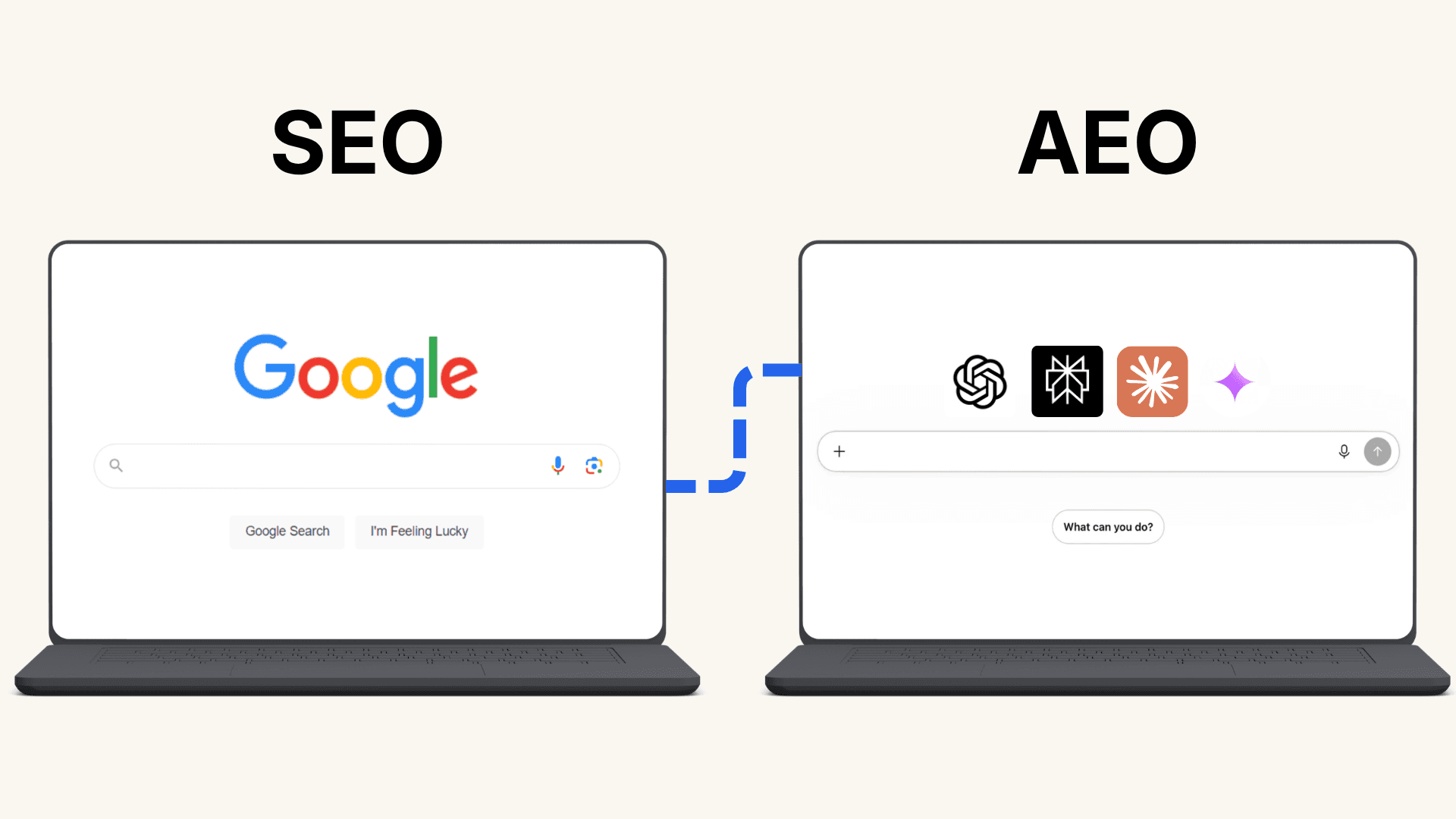
SEO vs AEO: a building block, not a replacement
AEO can feel like a brand-new discipline to learn from scratch, right as clicks from Google search keep dropping. It isn't. AEO is built on the SEO fundamentals already in place, here's how the two actually work together.

AI Visibility
on
How online reviews improve AI visibility: why reviews matter
Online reviews give AI search tools more context about your brand by showing what real customers say about your products or services. Learn how reviews, reputation, and online mentions can support your AI visibility and help AI understand when your brand may be relevant.

AI Visibility
on
AI visibility: AI marketing that reaches decision makers
AI marketing isn't just content and ads anymore, it's how the buying committee actually finds you. Here's who's using ChatGPT, Perplexity, Claude, and Google AI Overview, and why missing even one of them can cost you the sale.

AI Visibility
on
August 2026 ranking dips explained: seasonal trends vs. AI visibility changes
Is your August ranking drop seasonal or AI related? Learn which SEO and AI visibility signals can help you find out.