August 2026 ranking dips explained: seasonal trends vs. AI visibility changes
Is your August ranking drop seasonal or AI related? Learn which SEO and AI visibility signals can help you find out.
By

Subsig Team

You check your rankings and notice a drop. Traffic is down, and some pages are getting fewer clicks. Before you panic, look at the data.
An August ranking dip can be seasonal, an SEO issue, or a shift in how people search. The right data can help you find out why.
Is your August drop seasonal or AI related?
These signs can help you tell the difference.
What you see | Seasonal SEO trend | AI visibility change |
Organic traffic | Drops during the same period each year | Drops while search demand stays similar |
Rankings | Stay fairly stable | May stay stable while clicks fall |
Impressions | Fall with search demand | Stay steady while clicks decrease |
Competitors | See similar drops | Some competitors gain visibility |
Search results | Look mostly the same | AI Overviews or other AI features take more space |
User behavior | Fewer people are searching | People search but may not click |
What to check | Year-over-year traffic and search demand | AI results, clicks, impressions, and brand mentions |
A traffic drop does not always mean your rankings dropped. Your pages can rank well and still get fewer clicks.
Sources: Ahrefs and Pew Research Center
August ranking dips can be seasonal
Search behavior changes throughout the year. Holidays, school schedules, and work routines can affect demand.
Compare August with last year. A similar pattern may point to seasonality.
B2B sites may see fewer searches, while education sites may follow school-year trends.
One month of data is not enough to explain a ranking change.
Source: Ahrefs
AI search can change what a ranking means
People are using AI tools to find answers, and AI Overviews can answer questions directly in search results.
Your page can still rank well while getting fewer clicks. Your brand may also be missing from AI answers while competitors appear instead.
That is why traditional rankings and AI visibility need to be tracked together.
Source: Pew Research Center
How to diagnose your SEO ranking drop
If you are asking, "Is my SEO drop seasonal or AI related?", check:
Is August similar to last year?
Are impressions steady while clicks drop?
Are they seeing the same drop
Check whether your brand is:
Mentioned in AI answers
Recommended over competitors
Supported by your website
Appearing across relevant AI searches
AI visibility tracking can reveal gaps that traditional rank tracking misses.
Source: HubSpot
What to do if AI is changing your visibility
You need both SEO and AI visibility.
Create useful content, make it easy for AI to understand, and build trust through reviews and relevant mentions.
The goal is to be visible and trusted by both people and AI.
Subsig can help you engage with people and get more mentions.
Track more than your ranking position
Ranking changes are normal, and traffic can change when search demand changes.
Look at several signals together:
Rankings
Impressions
Clicks
Organic traffic
Competitor movement
AI visibility
Source: Google Search Console documentation
Subsig's rank shift tool can help you spot important ranking changes and focus on the ones that need attention.
Instead of asking only, "Did my ranking drop?",
ask:
Did search demand change?
Did impressions change?
Did clicks change?
Did competitors see the same pattern?
Are AI Overviews taking more space?
Is my brand appearing in AI search results?
Are trusted sites mentioning my brand?
Are my strongest pages still answering real customer questions?
Do not let one bad month change your whole SEO plan
An August dip may be seasonal, a real ranking issue, or AI-related.
That is why AI visibility tracking should sit alongside traditional SEO tracking.
Compare your data first, then improve content, fix affected pages, or strengthen AI visibility based on what you find.
Keep watching what changes
Search will keep changing. Seasonal demand, competitors, and AI can all affect your results.
When your numbers change, do not panic. Find out what is causing the change and take action.
Start tracking your AI visibility with Subsig and see where your brand stands in AI search.
Related Articles

AI Visibility

on
AI search in 2026: what's changed, and how businesses can adapt
Buyer research has moved onto AI platforms, and classic search clicks keep falling even as visibility grows. Most B2B brands remain invisible across the platforms their buyers now use. Here is what changed in 2026, and what adapting actually requires.

Brand Mention
on
How to choose the right prompts to track your AI visibility
Choosing the right prompts is the first step to tracking AI visibility effectively. Here are the five categories to cover, examples for each, and what a breakdown of visibility, sentiment, ranking, and sources actually reveals.
AI Visibility
on
SEO vs AEO: a building block, not a replacement
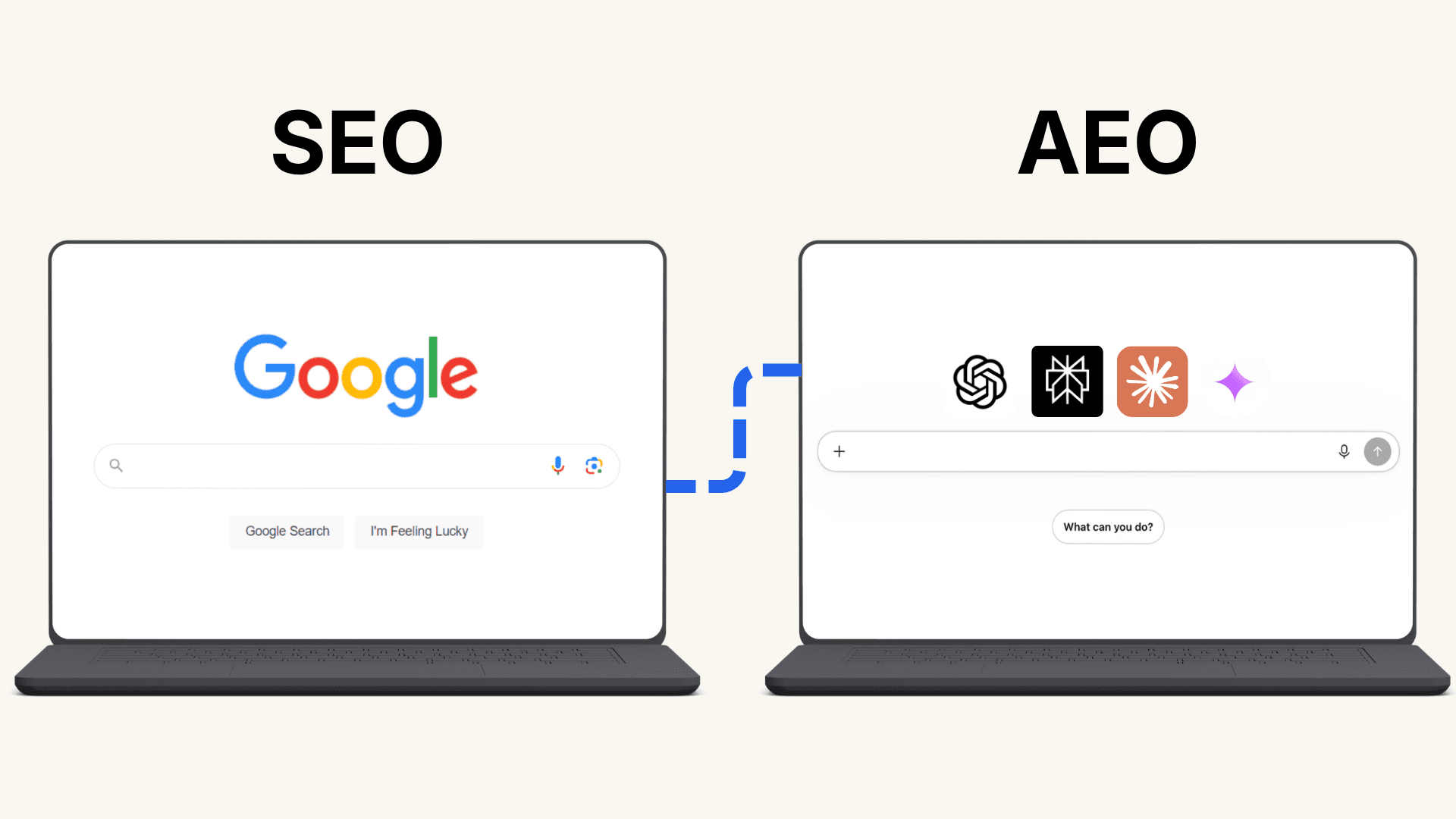
AEO can feel like a brand-new discipline to learn from scratch, right as clicks from Google search keep dropping. It isn't. AEO is built on the SEO fundamentals already in place, here's how the two actually work together.

AI Visibility
on
How online reviews improve AI visibility: why reviews matter
Online reviews give AI search tools more context about your brand by showing what real customers say about your products or services. Learn how reviews, reputation, and online mentions can support your AI visibility and help AI understand when your brand may be relevant.
AI Visibility
on
AI visibility: AI marketing that reaches decision makers
AI marketing isn't just content and ads anymore, it's how the buying committee actually finds you. Here's who's using ChatGPT, Perplexity, Claude, and Google AI Overview, and why missing even one of them can cost you the sale.
AI Visibility
on
August 2026 ranking dips explained: seasonal trends vs. AI visibility changes
Is your August ranking drop seasonal or AI related? Learn which SEO and AI visibility signals can help you find out.