Google’s AI search update: what it means for your brand
Learn what Google’s AI Mode and AI Overviews updates mean for your brand, with practical steps to improve AI search visibility from Subsig.
By
Subsig Team

Google is changing how people find and explore websites through AI search.
In its October 15 announcement, Google outlined updates to AI Mode and AI Overviews, including more visible links, article carousels, and clickable creator names.
For businesses, this raises a useful question: when potential customers search for answers, will they find your brand, and will the information help them choose you?
What’s changing?
Google announced five updates:
More visible links: Links within AI answers will appear more often and higher in responses.
Official website links: Google is testing a section that highlights official pages for certain questions and tasks.
More article carousels: Carousels featuring timely articles are expanding to more locations and languages.
Images beside related articles: Some links at the end of AI answers will have thumbnails and a more prominent design.
Clickable creator names: Google is testing links from creator and publisher names on AI Mode video results to their Search profiles.
Some features are still being tested. More places to click could create opportunities for businesses, but they don’t guarantee more website traffic.
What should businesses focus on?
Start with the questions customers ask before buying.
They might want to know how your product works, what it costs, or how it compares with another option. Your website should make those answers easy to find.
For example, if customers regularly ask whether your software is difficult to set up, explain the process. Show the steps, what support is available, and anything they need to prepare.
That gives someone a reason to visit your page and stay to learn more.
Google’s guidance for AI search says the usual SEO practices still apply. Businesses don’t need a special trick to appear in AI Mode or AI Overviews. Helpful content and a website Google can access remain the starting point.
Check how your brand appears in AI answers
Your website is only one place to review. It’s also worth checking what AI tools say about your business.
Are they describing your product correctly? Are competitors being mentioned for questions that matter to you? Which websites are being used as sources?
Subsig’s AI visibility tracker helps teams monitor brand mentions, citations, and competitors across supported AI platforms. This can help you spot gaps and decide what needs attention.
If you need help turning those findings into action, Subsig’s Answer Engine Optimization service focuses on improving how your brand is represented in AI answers.
Keep your public information accurate
A potential customer may check reviews or other websites after discovering your brand. Outdated details or unanswered concerns can make that decision harder.
Keep your product descriptions current, respond thoughtfully to customer feedback, and pay attention to issues that come up repeatedly. Subsig’s review monitoring tools can help teams follow customer sentiment and competitor activity.
That work supports a more accurate picture of your business. It doesn’t mean a particular rating or number of reviews will earn you a place in Google’s AI answers.
A practical place to start
Choose five questions customers often ask. Review the pages that answer them, update anything unclear, and check how your brand appears in related AI responses.
Then look beyond visibility. Are visitors finding what they need? Are the right people making inquiries?
Google’s update gives businesses a reason to review how they’re discovered. The next step is making sure what people find is useful.
Explore Subsig to understand your brand’s AI visibility and identify where to focus next.
Related Articles
Brand Reputation

on
Google’s AI search update: what it means for your brand
Learn what Google’s AI Mode and AI Overviews updates mean for your brand, with practical steps to improve AI search visibility from Subsig.

AI Visibility
on
AI search in 2026: what's changed, and how businesses can adapt
Buyer research has moved onto AI platforms, and classic search clicks keep falling even as visibility grows. Most B2B brands remain invisible across the platforms their buyers now use. Here is what changed in 2026, and what adapting actually requires.

Brand Mention
on
How to choose the right prompts to track your AI visibility
Choosing the right prompts is the first step to tracking AI visibility effectively. Here are the five categories to cover, examples for each, and what a breakdown of visibility, sentiment, ranking, and sources actually reveals.
AI Visibility
on
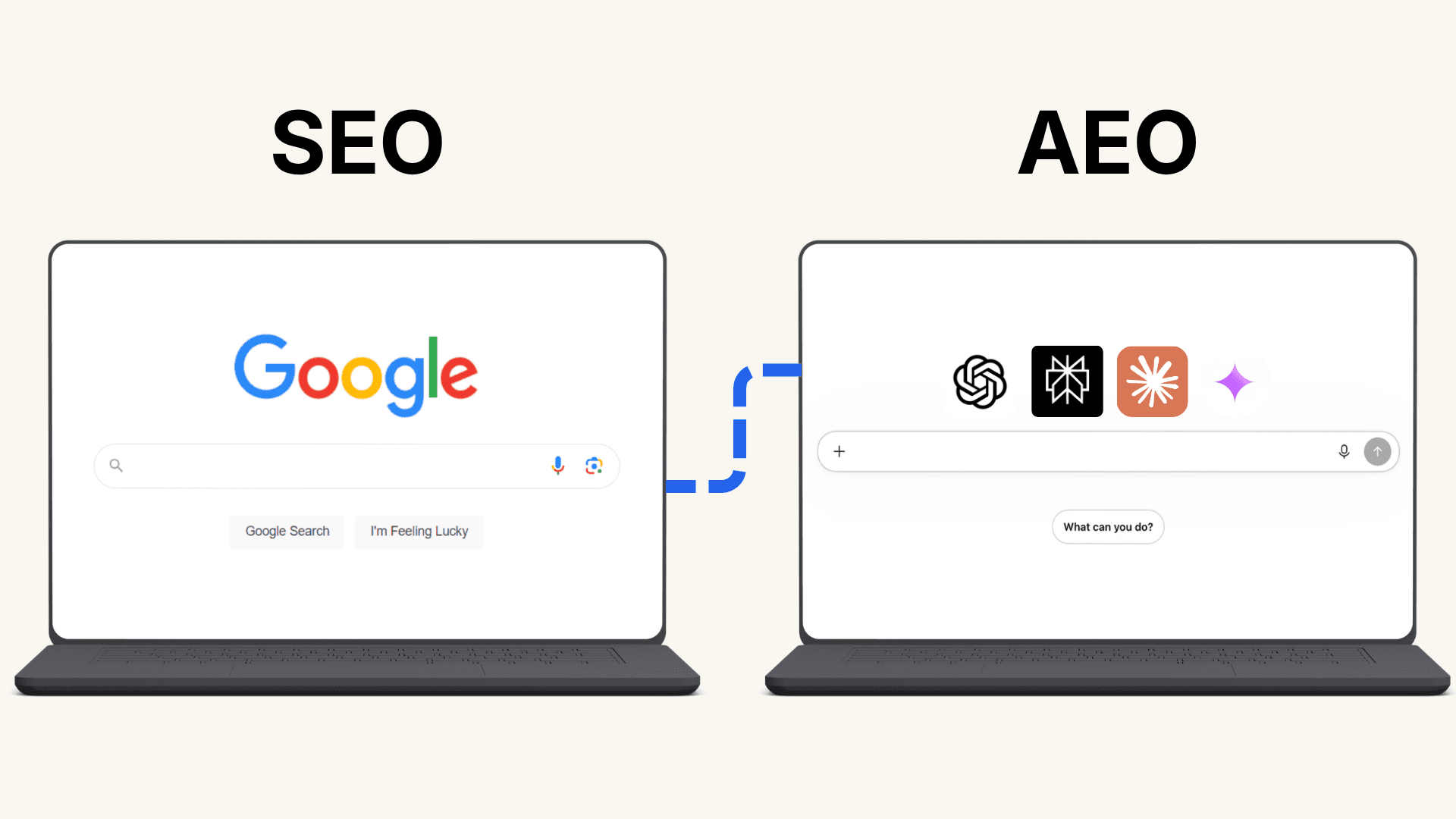
SEO vs AEO: a building block, not a replacement
AEO can feel like a brand-new discipline to learn from scratch, right as clicks from Google search keep dropping. It isn't. AEO is built on the SEO fundamentals already in place, here's how the two actually work together.

AI Visibility
on
How online reviews improve AI visibility: why reviews matter
Online reviews give AI search tools more context about your brand by showing what real customers say about your products or services. Learn how reviews, reputation, and online mentions can support your AI visibility and help AI understand when your brand may be relevant.
AI Visibility
on
AI visibility: AI marketing that reaches decision makers
AI marketing isn't just content and ads anymore, it's how the buying committee actually finds you. Here's who's using ChatGPT, Perplexity, Claude, and Google AI Overview, and why missing even one of them can cost you the sale.