
What Social Listening Really Does
At a basic level, social listening tools track keywords, phrases, and brand names that matter to your business. These might include your company name, product names, competitor brands, or broader industry terms. Once collected, this data is organized so teams can identify patterns in conversation volume, topic frequency, and sentiment over time.
Many tools also classify mentions as positive, neutral, or negative. While sentiment labels are useful, the real value comes from observing trends, not isolated posts. A single negative mention may not matter, but a recurring theme often signals a deeper issue or opportunity.
This approach is commonly explained in guides about the best social listening tools for brands, which highlight how conversation tracking goes beyond simple notifications or alerts. Unlike basic monitoring, social listening helps teams understand context — why conversations are happening and how they evolve.
Social listening helps answer questions like:
What do customers and prospects say about a recent product update?
Are people comparing our brand with competitors in reviews or forums?
What recurring issues appear outside of direct support channels?
Which topics or objections keep resurfacing in public discussions?
Having this context allows teams to make clearer decisions around messaging, engagement, and product improvements, instead of relying only on internal assumptions.
Key Benefits of Using Social Listening Tools
Social listening tools offer practical benefits that go beyond basic social media monitoring and keyword alerts.
Understand Public Sentiment Over Time
Sentiment analysis helps teams understand how people feel about a brand across weeks or months, not just in isolated moments. If sentiment trends negative, teams can investigate root causes early. Positive sentiment trends help identify messaging, features, or campaigns that resonate and should be reinforced.
Many social listening tools explained by Sprout Social emphasize sentiment tracking as a long-term indicator of brand health rather than a short-term metric.
Detect Emerging Conversations
Industry conversations often gain traction publicly before they are discussed internally. Social listening tools surface these early signals, allowing teams to adjust content, positioning, or product focus based on what people are already talking about — not what brands assume matters.
This is particularly valuable in competitive or fast-moving markets where timing plays a major role.
Monitor Competitor Perception
Social listening is not limited to your own brand. Tracking competitor mentions reveals how alternatives are discussed, what frustrates users, and where expectations are not being met. These insights help teams identify gaps in the market and opportunities to differentiate more clearly.
Improve Engagement and Support
Many customer questions and complaints never reach official support channels. They appear instead in public forums, social threads, or review platforms. Social listening tools surface these conversations, giving teams the opportunity to respond helpfully and demonstrate attentiveness.
Even when no response is needed, understanding these discussions helps teams anticipate issues before they escalate.
Examples of Social Listening Tools
Social listening tools vary widely in how much data they collect, the types of sources they cover, and the level of insight they provide. Some tools focus on day-to-day awareness, while others are designed for deeper analysis or reputation management. Understanding these differences helps teams choose a platform that matches their goals and resources.
Sprout Social
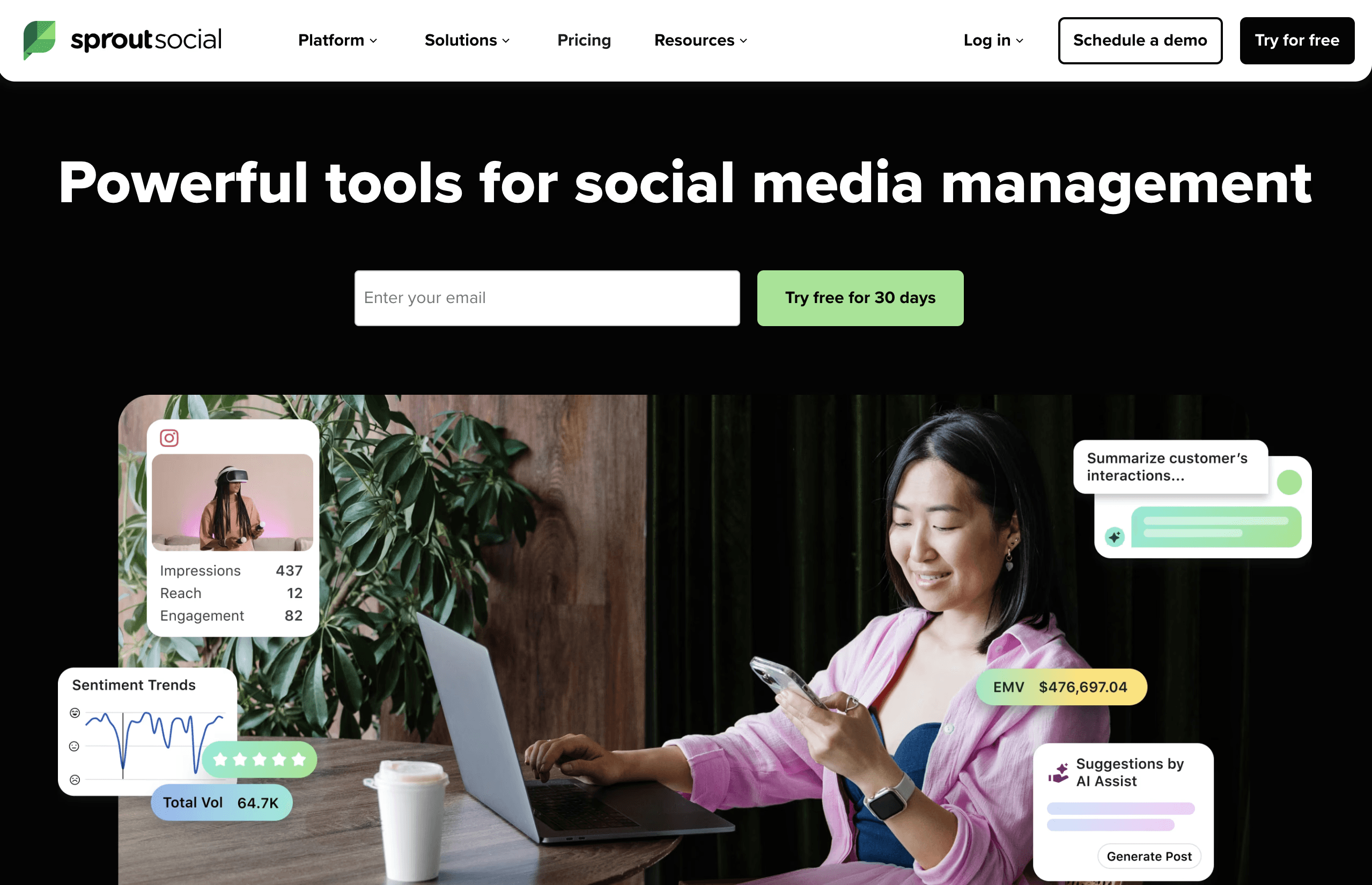
Sprout Social combines social listening with publishing, engagement, and reporting in a single platform. Its listening capabilities focus primarily on major social networks, making it useful for teams managing active brand accounts and ongoing community engagement.
Beyond tracking mentions, Sprout Social highlights shifts in conversation volume and sentiment over time, helping teams evaluate how campaigns, announcements, or industry events affect public discussion. Because listening is tightly connected to publishing and engagement workflows, teams can move quickly from insight to action. Sprout Social is often referenced in guides to social listening tools because it balances usability with practical analytics for marketing teams.
Brandwatch
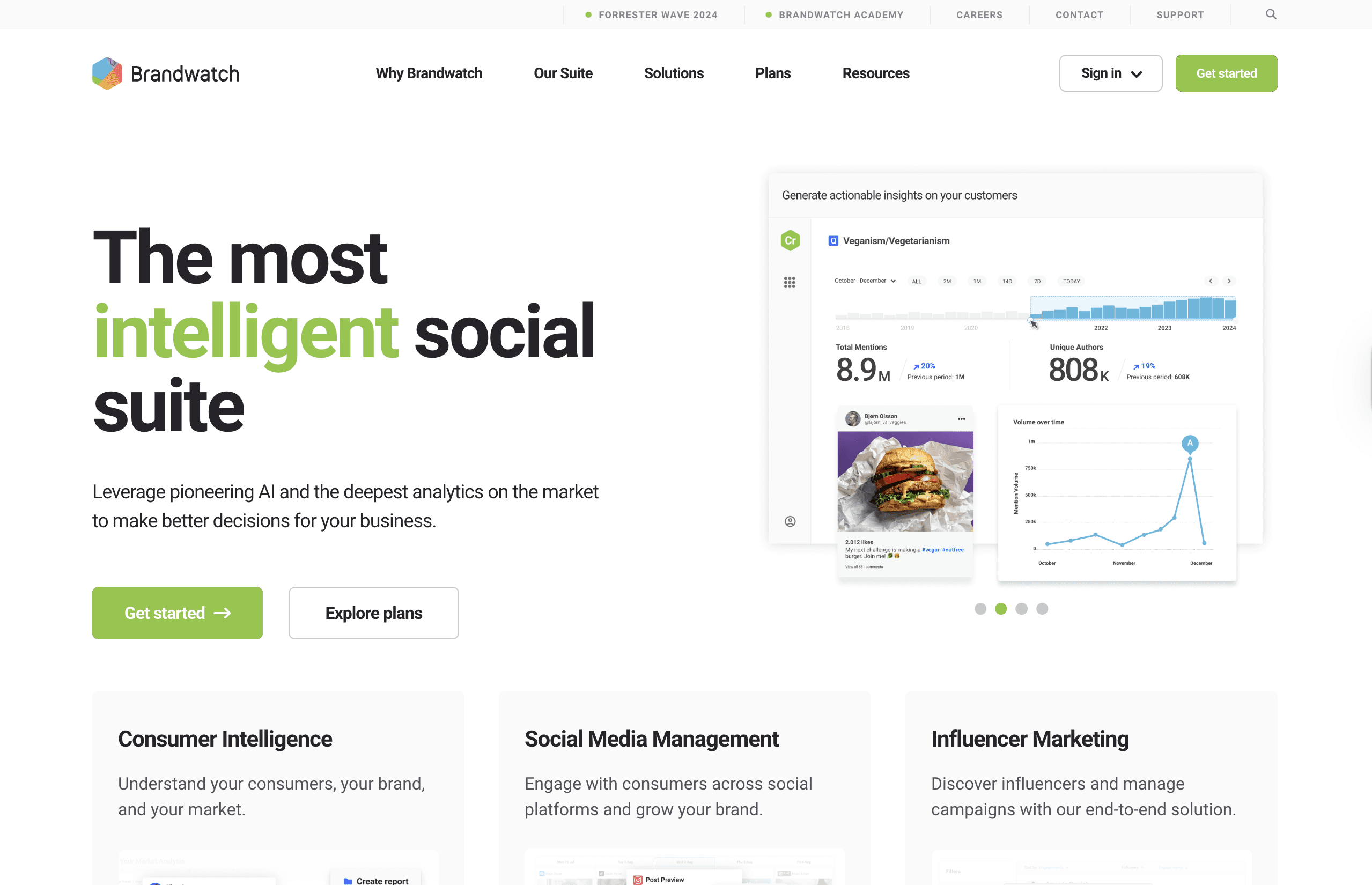
Brandwatch is designed for large-scale data collection and advanced analysis. It pulls conversation data from millions of online sources, including social platforms, news sites, blogs, and forums, and organizes that data into customizable dashboards.
What sets Brandwatch apart is its depth. Teams can segment audiences, track topic clusters, and analyze long-term trends across regions or industries. This makes it well suited for strategic research, brand health tracking, and executive reporting. Because of its complexity and cost, Brandwatch is most commonly used by enterprises or agencies with dedicated analytics resources.
Brand24
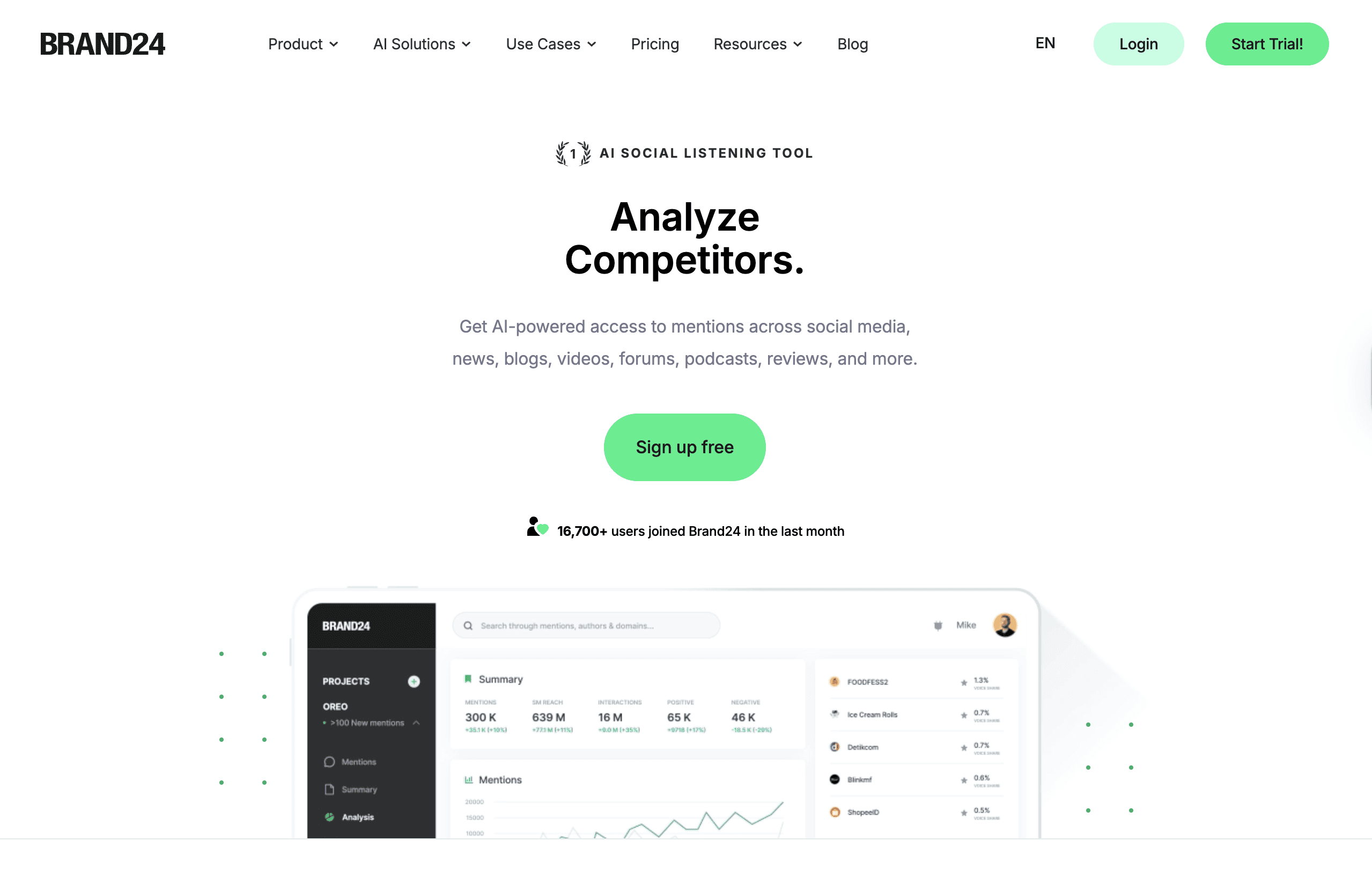
Brand24 focuses on keyword-based monitoring across social media, blogs, forums, and selected review platforms. It provides real-time alerts, sentiment analysis, and historical data, allowing teams to react quickly when conversation volume or tone changes.
For many organizations, Brand24 represents a middle ground between free monitoring tools and enterprise platforms. It offers structured insights without the complexity of larger systems. While its primary strength is awareness and responsiveness, teams often supplement it with other tools when they need deeper buyer or review-focused insights.
Mention and Similar Tools
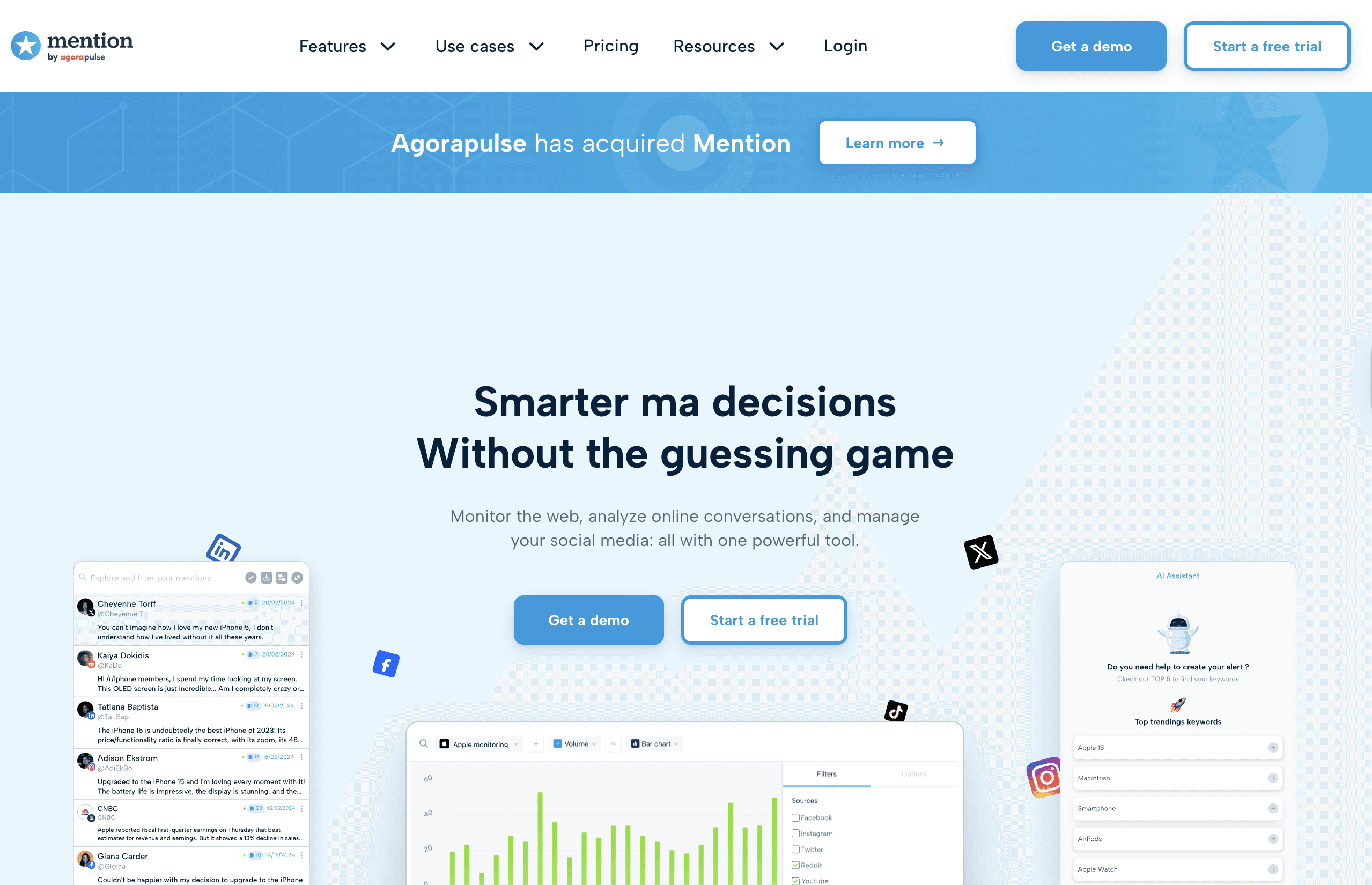
Mention and comparable platforms emphasize simplicity and speed. Users set up alerts for specific keywords, brand names, or competitors and receive notifications when those terms appear online.
These tools work well for basic monitoring needs, especially for small teams or early-stage companies. They provide visibility into public discussion without requiring extensive setup or analysis. However, their insights are generally limited to surface-level awareness rather than long-term trend analysis or strategic insight..
Google Alerts and Free Monitoring Tools
Google Alerts is one of the most accessible ways to begin monitoring online mentions. It notifies users when keywords appear in newly indexed web pages, such as blog posts or news articles.
While free tools like Google Alerts lack sentiment analysis, social coverage, and context, they are often recommended in guides to free brand monitoring tools as an entry point. They help teams understand the value of monitoring conversations before investing in more advanced platforms.
Subsig
Subsig approaches social listening from a B2B perspective, focusing on where buyers research, compare, and form opinions. In addition to tracking social mentions, Subsig monitors reviews, forums, and long-form discussions that influence trust and purchasing decisions.
Rather than emphasizing raw mention volume, Subsig highlights buyer signals, recurring themes, and competitive context. This makes it easier for teams to understand why conversations matter and how they connect to growth, reputation, and revenue. For B2B brands, this approach bridges the gap between traditional social listening and reputation intelligence.
How to Get Started
Before choosing a social listening tool, define your goals. You may want to track customer feedback, monitor competitors, or identify industry trends. Once goals are clear, create keyword lists and monitoring queries that reflect those priorities.
Review insights regularly and share findings across marketing, customer support, and product teams. Bringing real customer conversations into planning helps teams create content and experiences that align more closely with audience needs.
Social listening tools help brands listen more broadly and act with better context. With consistent use, they become a reliable part of brand monitoring and decision-making.