What Social Listening Tools Actually Do
Social listening tools track keywords, brand names, product names, competitor names, and industry terms across the web. These mentions are pulled from multiple sources and organized into dashboards that show conversation volume, sentiment trends, and recurring topics over time.
Many guides on the best social listening tools explain that listening is different from simple monitoring. Monitoring focuses on direct mentions and notifications. Listening looks at the broader conversation, including posts where your brand is discussed indirectly or compared without being tagged.
With this broader approach, teams can answer practical questions such as:
What feedback appears publicly after a product update or announcement?
Are customers comparing our solution with competitors in forums or reviews?
What concerns or objections show up repeatedly outside of support tickets?
Having access to these answers helps teams base decisions on real audience discussion rather than internal assumptions or anecdotal feedback.
Why Social Listening Matters for Brands
Social listening supports multiple parts of a business, particularly marketing, customer support, and product teams. When used consistently, it becomes a shared source of truth about how a brand is experienced publicly.
Understanding Audience Sentiment
Sentiment analysis categorizes conversations as positive, neutral, or negative, making it easier to understand how perception changes over time. Instead of reacting to isolated comments, teams can track sentiment trends and investigate the underlying causes when shifts occur. Resources like Sprout Social’s guide to social listening tools highlight how sentiment tracking supports more proactive planning and response.
Identifying Conversation Trends
Topics often gain traction publicly before they appear in internal discussions. Social listening tools surface these conversations early, allowing brands to adapt messaging, content, or product focus based on what people are already talking about — not what brands assume is important.
Keeping an Eye on Competitors
Listening tools can also track competitor mentions across the same channels. This helps brands understand how alternatives are perceived, where users feel disappointed, and what expectations are not being met. These insights often inform positioning, differentiation, and messaging strategy.
Improving Public Engagement
Not every customer issue appears in a brand’s inbox. Many questions, frustrations, or misconceptions are shared publicly. Social listening reveals these conversations, giving brands an opportunity to respond with helpful context and demonstrate that they are paying attention. Even passive observation of these discussions can improve future communication and support workflows. attention and willing to help.
Common Social Listening Tools Brands Use
There are many tools available, each offering different levels of depth and features.
Sprout Social
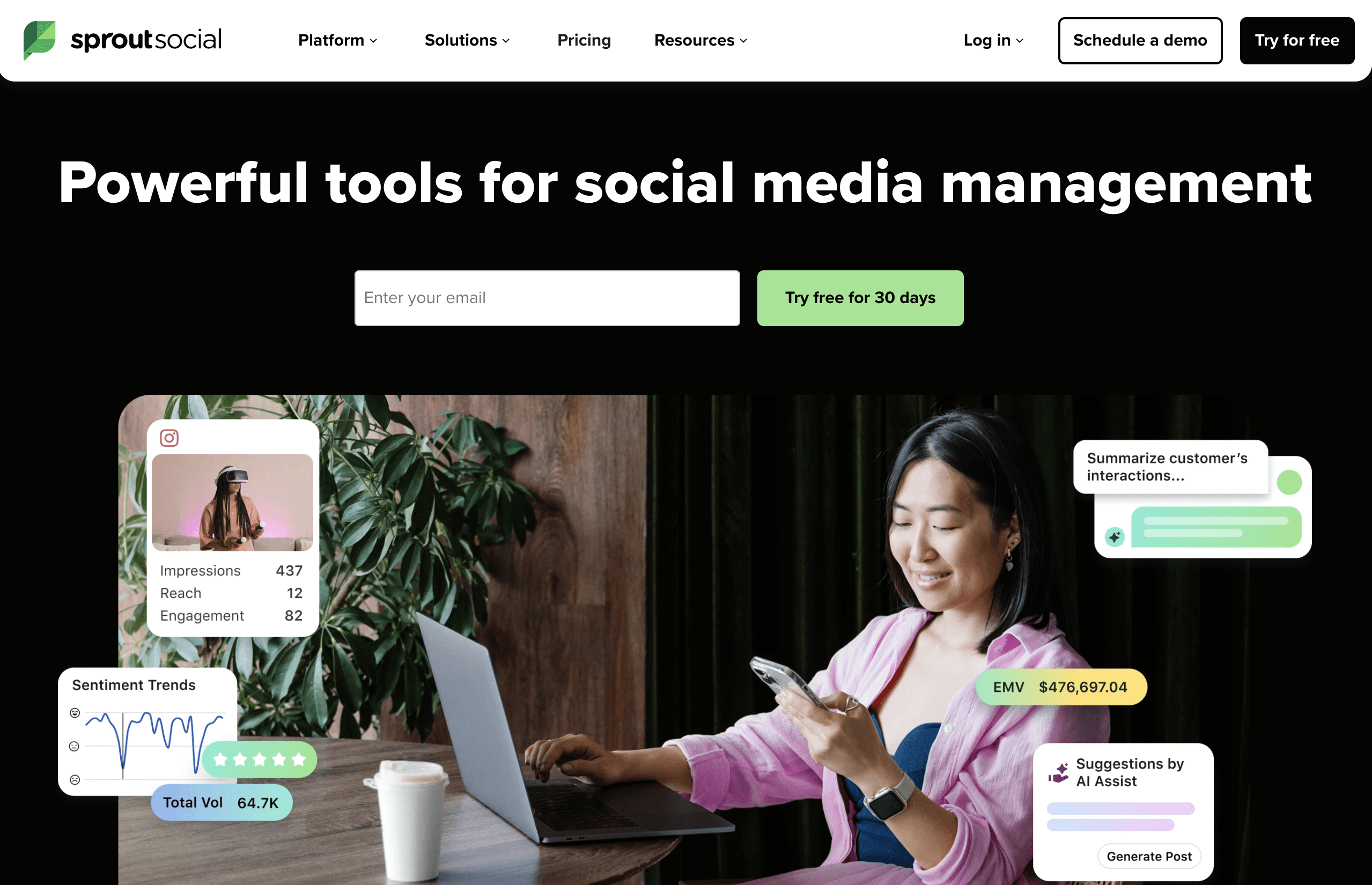
Sprout Social combines social listening with publishing, engagement, and reporting tools. Its listening features focus on major social networks and highlight changes in conversation volume and sentiment over time. Because listening is integrated with posting and engagement workflows, teams can move quickly from insight to action. Many marketing teams use Sprout Social to track campaign impact and community response, as outlined in Sprout Social’s social listening overview.
Brandwatch
Brandwatch is built for large-scale data analysis. It collects conversation data from millions of online sources, including social platforms, blogs, forums, and news outlets. Brandwatch helps teams identify long-term patterns, topic clusters, and audience segments, making it a common choice for enterprise brands and agencies with advanced analytics needs. It is frequently listed among the best social listening platforms for deeper strategic analysis.
Brand24
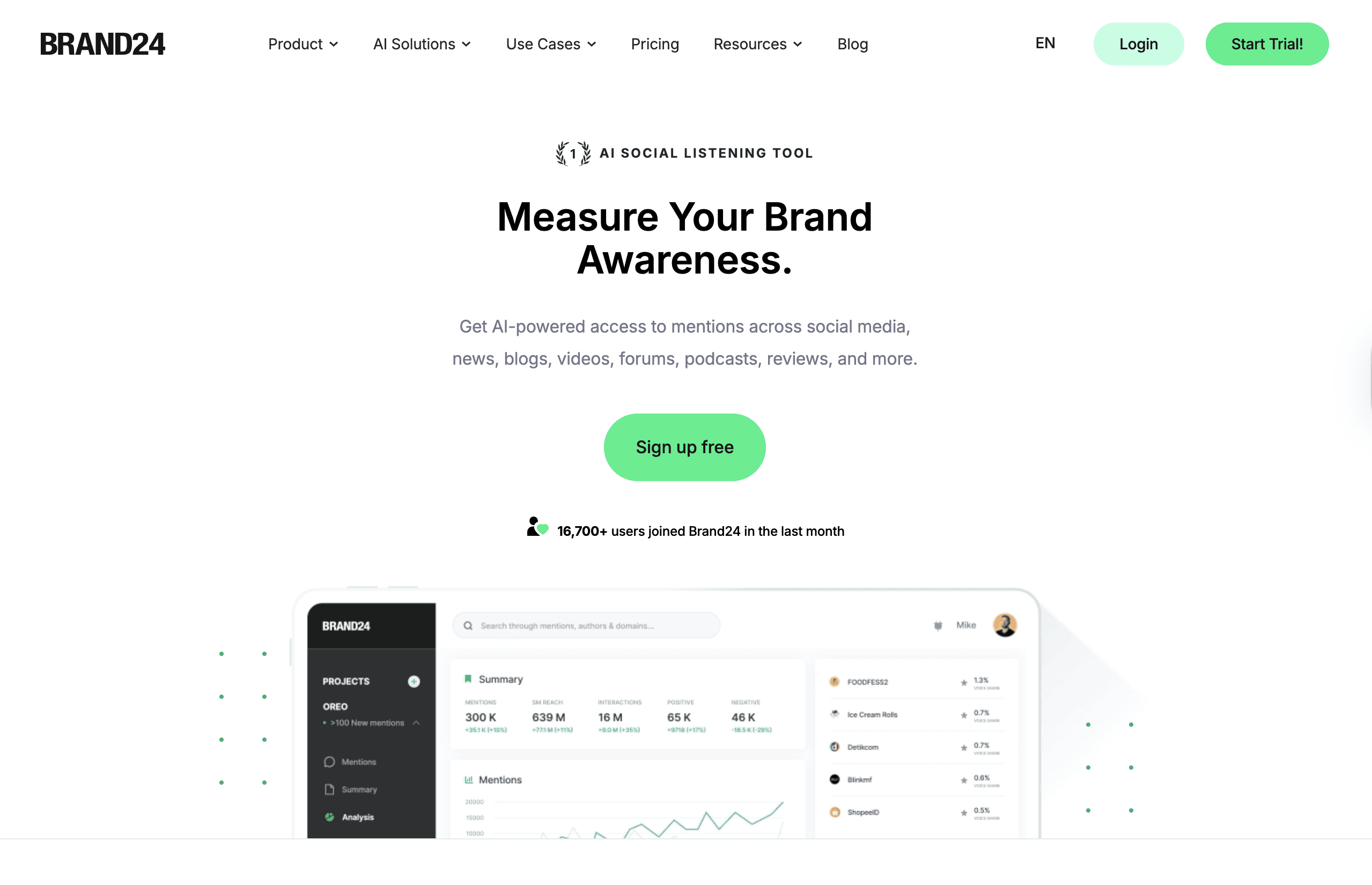
Brand24 tracks keyword mentions across social media, blogs, forums, and selected review sites. It provides real-time alerts, sentiment analysis, and historical data, helping teams stay aware of shifts in public discussion. For many brands, Brand24 serves as a practical step up from basic monitoring tools, offering structured insights without the complexity of enterprise platforms.
Mention and Similar Platforms
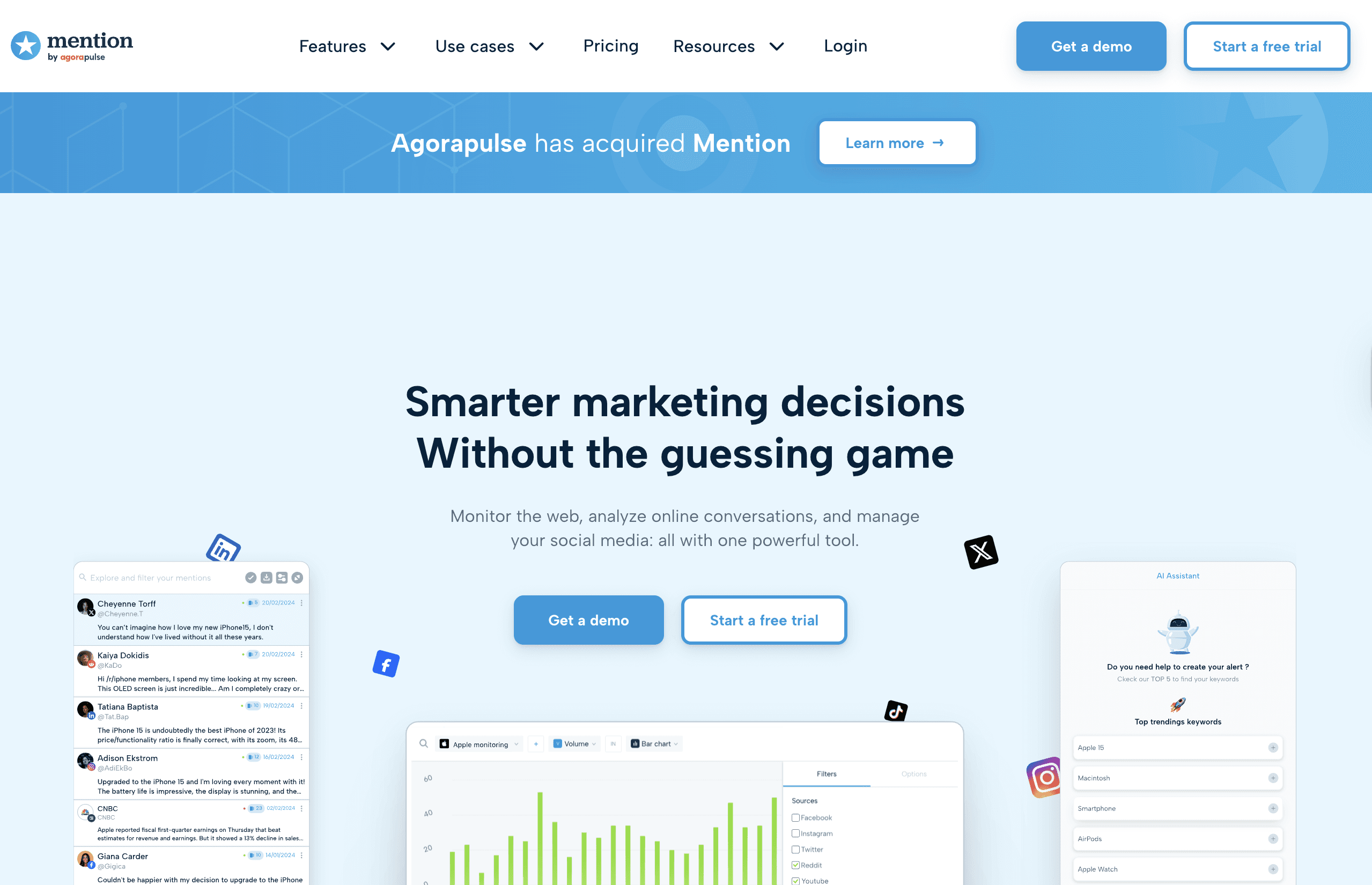
Mention and similar tools prioritize simplicity and speed. Users set up alerts for specific keywords or brand names and receive notifications when those terms appear online. These platforms are often included in lists of free social media and brand monitoring tools because they are easy to configure and useful for basic awareness, especially for small teams or early-stage companies.
Free Monitoring Options
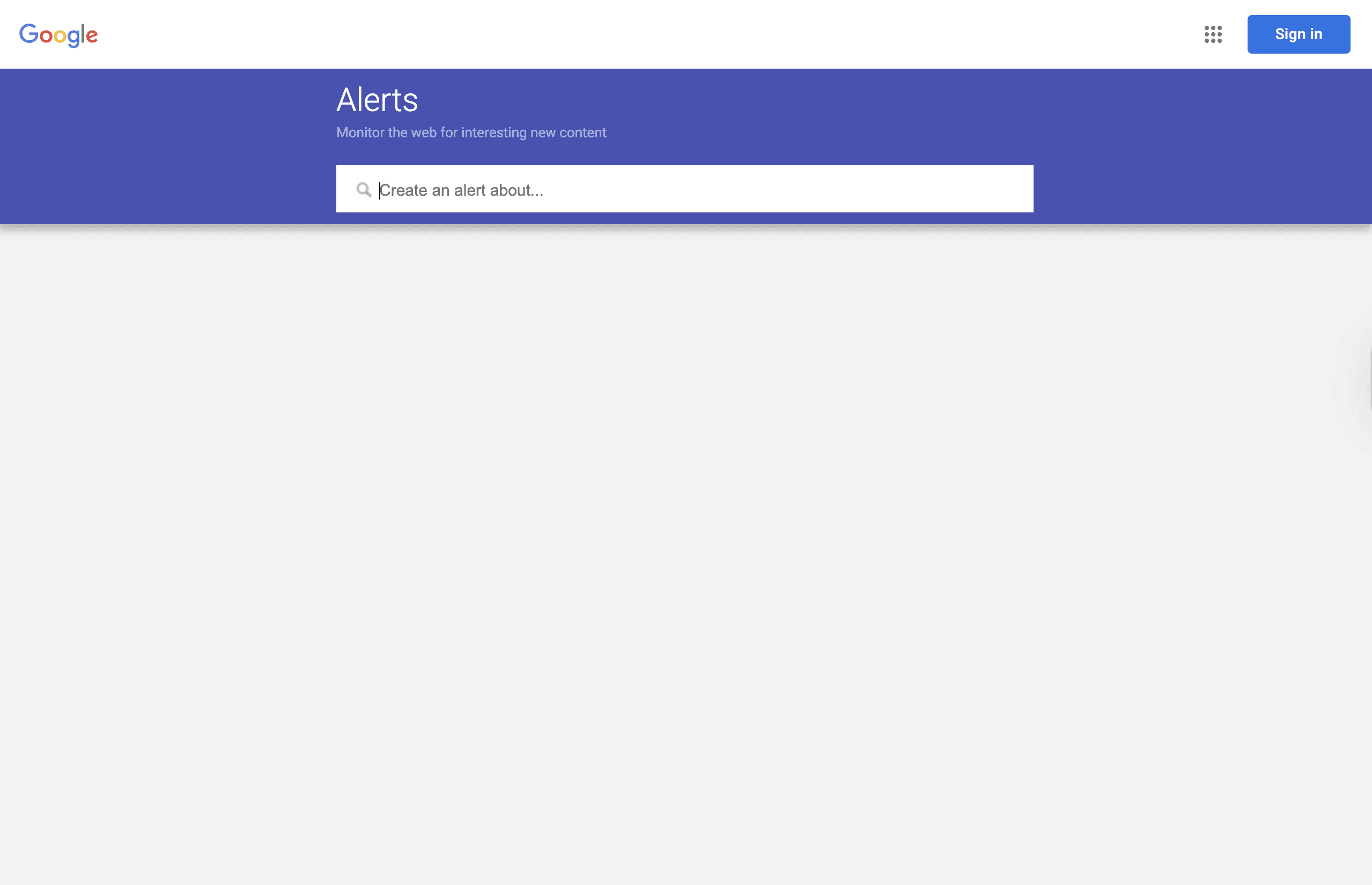
Free tools like Google Alerts notify users when selected keywords appear in newly indexed web content, such as blog posts or news articles. While they lack sentiment analysis, social coverage, and deeper context, they are frequently recommended in guides to free brand monitoring tools as an accessible starting point for tracking public mentions.
Before selecting a social listening tool, it’s important to define clear goals. Some teams focus on customer feedback, others on competitor mentions, industry trends, or brand reputation. Clear goals help determine which data sources and features matter most.
Once goals are set:
Create keyword lists that reflect real customer and buyer language
Include competitor names and relevant industry terms
Review insights regularly instead of reacting to every individual mention
Share findings across marketing, product, and support teams
When teams work from the same conversation data, decisions tend to align more closely with real audience needs.
Social listening tools help brands understand conversations at scale and respond with context. Used consistently, they become a reliable source of insight for engagement, planning, and long-term strategy.