Social listening and its role in understanding online conversations
Understand online conversations with social listening: track sentiment, trends, and audience insights effectively.
By

Subsig Team

What is social listening?
Social listening helps organizations understand these conversations at scale by observing patterns, sentiment, and recurring themes. Rather than focusing on individual comments, it provides a broader view of how audiences feel and what they expect.
Social listening is often confused with basic monitoring. Social monitoring focuses on collecting mentions and alerts, while social listening centers on analysis and interpretation. This approach turns conversations into insight, helping brands understand why discussions happen and how they change.
What social listening helps you learn
Social listening helps organizations understand how audiences think, feel, and talk about brands and topics online. By analyzing conversations across social platforms, forums, and online communities, teams gain insight into sentiment, recurring themes, and emerging issues.
Social listening helps you learn:
How audiences describe problems
Social listening reveals the exact language people use to express pain points, questions, and expectations. This insight helps brands communicate more clearly and create content that reflects real audience needs.
When and why sentiment changes
By tracking conversations over time, social listening shows when sentiment becomes more positive or more critical, and what triggered the shift. This context supports better decisions around messaging, customer experience, and reputation management.
What topics are emerging early
Social listening identifies new themes and discussions before they become widespread. This allows teams to respond with context rather than urgency and plan proactively instead of reactively.
How competitors are perceived
Observing how people discuss similar products or services helps brands identify gaps, expectations, and opportunities without relying solely on surveys or internal assumptions. Platforms built for social media listening help surface these patterns across channels.
Selecting the right social listening tools

Social listening tools help turn large volumes of online conversations into usable insight. These tools differ in how they collect data, analyze sentiment, and present findings. Some prioritize real-time visibility, while others focus on long-term trend analysis and reporting.
When evaluating options, it’s helpful to compare tools based on core capabilities rather than popularity. Reviews that compare the best social listening tools often highlight features such as:
Keyword and topic tracking
Sentiment analysis
Cross-platform data coverage
Reporting and visualization
Understanding these differences helps teams select tools that align with specific goals and workflows.
Many organizations use platforms that combine social listening with publishing and engagement. Reviews of social listening tools often explore how these platforms support collaboration and workflow integration across teams. This is especially useful for organizations that want insights to move easily between marketing, communications, and customer support.
For teams with limited resources, guides that highlight free social media and brand monitoring tools provide a practical starting point. While these tools may offer fewer features, they allow teams to explore conversation trends and test listening workflows before investing in more advanced solutions. Resources that explain how social listening works also help teams understand how structured listening supports long-term strategy rather than isolated responses.
Turning insights into meaningful action
The value of social listening comes from how insights are applied. Listening data helps teams move from observation to action by revealing what audiences care about, how they feel, and where expectations are not being met.
Social listening insights can be used to:
Shape content strategy
By identifying which topics resonate most, social listening helps brands create content that reflects real questions and language used online. This improves relevance and engagement naturally.
Improve communication and responses
Understanding sentiment and context allows teams to respond in a more informed and appropriate way. This strengthens trust and reduces misalignment between brand messaging and audience expectations.
Inform product and service planning
Patterns in online discussions can highlight recurring issues, unmet needs, or opportunities for improvement. These insights support decisions around product updates, service enhancements, and educational resources.
By relying on public conversation data rather than internal feedback alone, organizations gain access to unfiltered perspectives that reflect real-world experiences.
Measuring impact over time
Social listening works best as an ongoing practice rather than a one time activity. Measuring impact involves tracking changes in sentiment, topic frequency, and share of conversation over time. When combined with broader performance metrics, these insights help assess how well a brand aligns with audience needs.
Common ways teams measure social listening impact include:
Sentiment trends: how positive or negative conversations change over time
Topic momentum: which themes are growing or declining in frequency
Share of conversation: how often a brand or topic appears relative to competitors
Response alignment: whether brand actions influence conversation tone or direction
Consistent social listening helps organizations stay informed without becoming reactive. By observing conversations as they evolve and applying insights thoughtfully, brands can make decisions grounded in real-world context and maintain a clearer, long-term understanding of the audiences they serve.
Related Articles

AI Visibility

on
AI search in 2026: what's changed, and how businesses can adapt
Buyer research has moved onto AI platforms, and classic search clicks keep falling even as visibility grows. Most B2B brands remain invisible across the platforms their buyers now use. Here is what changed in 2026, and what adapting actually requires.

Brand Mention
on
How to choose the right prompts to track your AI visibility
Choosing the right prompts is the first step to tracking AI visibility effectively. Here are the five categories to cover, examples for each, and what a breakdown of visibility, sentiment, ranking, and sources actually reveals.
AI Visibility
on
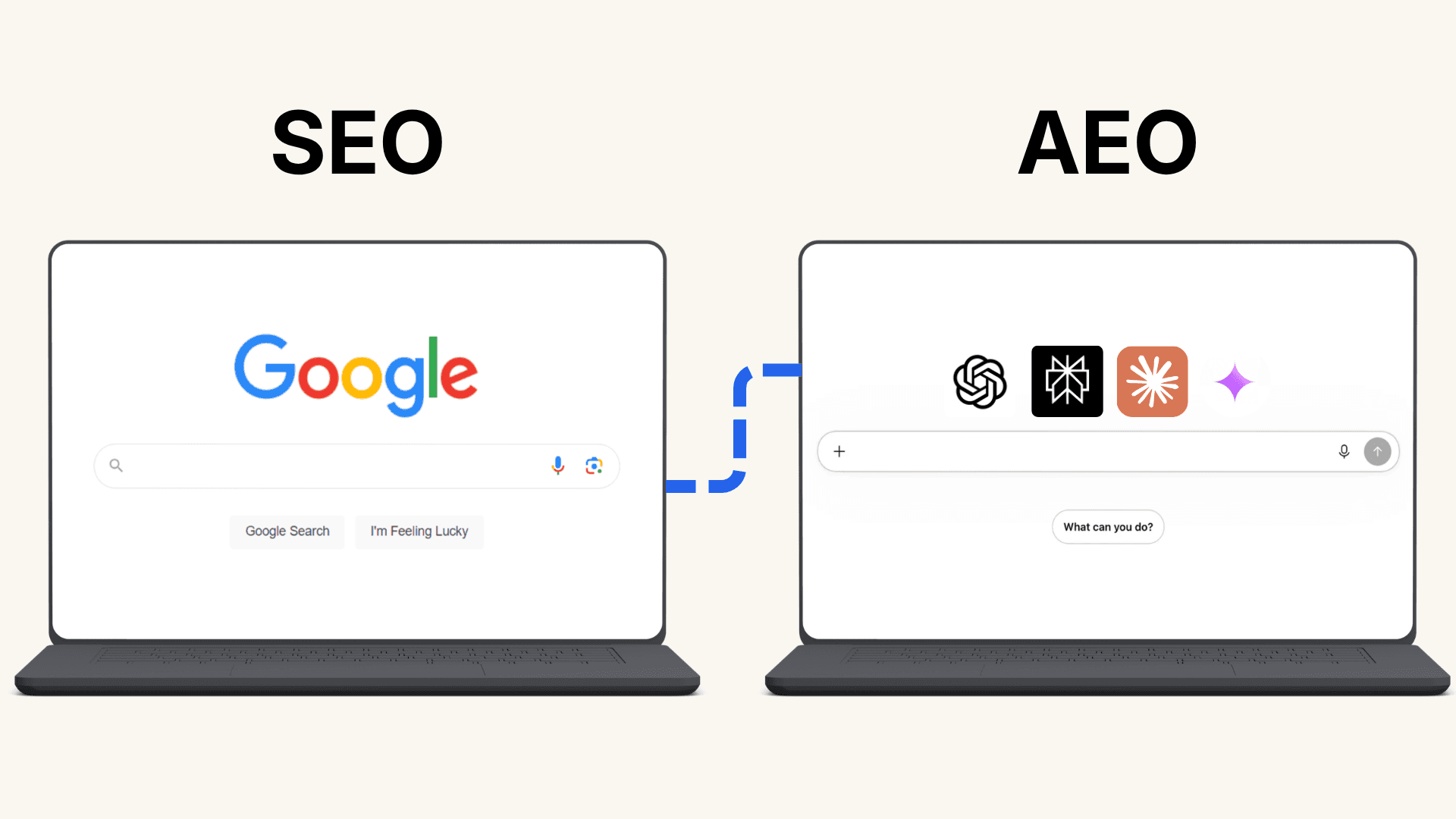
SEO vs AEO: a building block, not a replacement
AEO can feel like a brand-new discipline to learn from scratch, right as clicks from Google search keep dropping. It isn't. AEO is built on the SEO fundamentals already in place, here's how the two actually work together.

AI Visibility
on
How online reviews improve AI visibility: why reviews matter
Online reviews give AI search tools more context about your brand by showing what real customers say about your products or services. Learn how reviews, reputation, and online mentions can support your AI visibility and help AI understand when your brand may be relevant.

AI Visibility
on
AI visibility: AI marketing that reaches decision makers
AI marketing isn't just content and ads anymore, it's how the buying committee actually finds you. Here's who's using ChatGPT, Perplexity, Claude, and Google AI Overview, and why missing even one of them can cost you the sale.

AI Visibility
on
August 2026 ranking dips explained: seasonal trends vs. AI visibility changes
Is your August ranking drop seasonal or AI related? Learn which SEO and AI visibility signals can help you find out.