How Creator Monetization Tracking, Creator Revenue Tracking, and Cross-Platform Sentiment Tracking Strengthen Creator Businesses
Discover how monetization, revenue, and sentiment tracking help creators grow income, understand audiences, and strengthen their businesses.
By

Subsig Team

The creator economy has evolved from a content-first ecosystem into a business-driven industry where creators manage multiple revenue streams, partnerships, communities, and digital products. Success is no longer measured solely by views or follower counts. Instead, creators increasingly focus on profitability, audience loyalty, and long-term sustainability.
To achieve these goals, creators rely on creator monetization tracking, creator revenue tracking, and cross-platform sentiment tracking. Together, these analytics help creators understand where revenue originates, how monetization strategies perform, and how audiences respond across different platforms.
Platforms such as Subsig, CreatorIQ, HypeAuditor, Brandwatch, Sprout Social, and Google Analytics help creators transform audience and revenue data into actionable business intelligence.
Why creator analytics matter in a multi-platform world
Modern creators rarely operate on a single platform.
A creator may publish videos on YouTube, engage audiences on TikTok and Instagram, manage communities through Discord, monetize through newsletters, and sell products through ecommerce platforms. Each channel contributes differently to audience growth and revenue generation.
Without advanced analytics, it becomes difficult to answer important business questions:
Which revenue streams are most profitable?
What content drives the highest conversion rates?
How do sponsorships affect audience trust?
Which platforms generate recurring revenue?
Why does monetization fluctuate over time?
How does audience sentiment influence retention?
Analytics help creators move beyond assumptions and make decisions based on measurable performance data.
Understanding creator monetization tracking
Monetization tracking focuses on measuring how effectively creators generate income from their content, communities, and audience relationships.
Rather than evaluating revenue alone, monetization analytics reveal which activities produce the strongest financial returns.
Common monetization sources include:
Advertising revenue
Sponsorships
Affiliate marketing
Paid memberships
Merchandise sales
Digital products
Online courses
Premium communities
For example, a creator may discover that educational videos generate significantly more affiliate revenue than entertainment content, even when overall view counts are lower.
These insights help creators optimize content strategies around profitability rather than vanity metrics.
Key monetization metrics
Metric | What it measures | Why it matters |
Revenue per subscriber | Earnings generated per subscriber | Evaluates audience value |
Conversion rate | Audience purchase activity | Measures monetization efficiency |
Monthly recurring revenue | Predictable subscription income | Supports forecasting |
Affiliate click-through rate | Interaction with affiliate links | Evaluates content performance |
Sponsorship ROI | Revenue from partnerships | Improves collaboration decisions |
Platforms such as Subsig, CreatorIQ, and Google Analytics help creators identify which monetization channels generate sustainable growth.
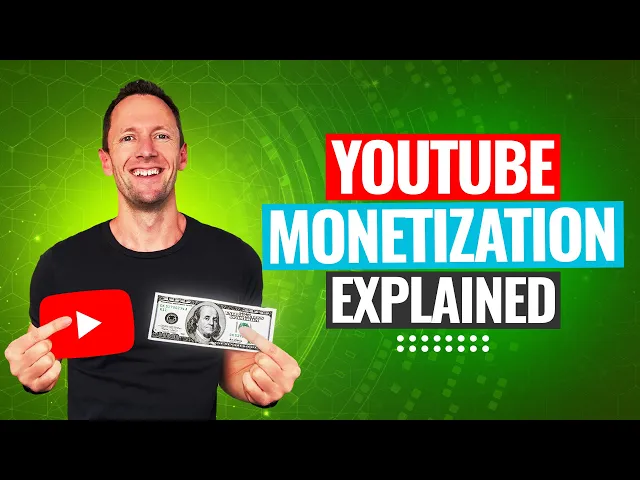
YouTube Monetization Explained - How To Make Money From YouTube in 2025!
https://www.youtube.com/watch?v=0sQXtKOqQH0
How creator revenue tracking improves financial visibility
Revenue tracking provides a complete view of creator income across platforms and business models.
Many creators earn money from multiple sources simultaneously, making centralized reporting increasingly important.
Revenue analytics often track:
Platform payouts
Subscription income
Sponsorship earnings
Affiliate commissions
Merchandise sales
Product revenue
Advertising performance
For example, a creator may discover that newsletter sponsorships produce more consistent income than social media brand campaigns, even if sponsorship deals generate larger one-time payments.
Understanding these patterns helps creators diversify revenue and reduce reliance on individual platforms.
Comparing creator monetization models
Monetization method | Revenue stability | Scalability potential | Best use case |
Ad revenue | Moderate | High | Large audience reach |
Sponsorships | Variable | Medium | Brand partnerships |
Paid subscriptions | High | High | Community-focused creators |
Affiliate marketing | Moderate | High | Product recommendations |
Merchandise sales | Variable | Medium | Strong personal brands |
Digital products | High | Very high | Courses, templates, and resources |
Platforms like Patreon, ConvertKit, and Subsig help creators understand revenue performance across multiple monetization channels.
Why cross-platform sentiment tracking matters
Revenue growth alone does not guarantee long-term success.
Audience trust plays a major role in determining whether creators retain subscribers, attract sponsors, and maintain community engagement.
Cross-platform sentiment tracking helps creators understand how audiences perceive content, partnerships, and brand decisions across different channels.
Sentiment analytics often evaluate:
Positive audience reactions
Negative feedback trends
Community discussions
Comment sentiment
Sponsorship perception
Audience satisfaction
For example, a creator may receive positive engagement on YouTube but experience negative audience sentiment on X following a controversial sponsorship announcement.
Monitoring these conversations helps creators address concerns before they affect retention or revenue.
Benefits of sentiment tracking
Benefit | Impact |
Audience trust monitoring | Strengthens community loyalty |
Sponsorship evaluation | Measures partnership impact |
Reputation management | Identifies emerging issues |
Retention improvement | Detects dissatisfaction early |
Community engagement | Supports healthier audience relationships |
Platforms like Brandwatch, Sprout Social, and Hootsuite provide sentiment monitoring tools that help creators track audience perception across channels.
Comparing monetization, revenue, and sentiment analytics
Although these analytics categories overlap, each addresses a different aspect of creator business performance.
Analytics category | Primary focus | Business outcome |
Monetization tracking | Revenue generation efficiency | Improves profitability |
Revenue tracking | Financial performance across channels | Supports business planning |
Sentiment tracking | Audience perception and trust | Strengthens retention |
Engagement analytics | Content interaction quality | Improves content strategy |
Conversion analytics | Audience purchase behavior | Optimizes monetization |
Together, these analytics provide a more complete understanding of creator business health.
Real-world applications
Sponsorship performance analysis
Fitness creators often analyze whether sponsored educational content generates stronger conversions than entertainment-focused campaigns.
Tools such as the TikTok Creator Marketplace help brands and creators evaluate partnership effectiveness and campaign performance.
Subscription retention monitoring
Newsletter publishers use sentiment analysis to identify dissatisfaction before cancellation rates increase.
Platforms like ConvertKit provide audience engagement and subscriber retention insights that support recurring revenue growth.
Multi-platform revenue optimization
Gaming creators frequently compare monetization performance across YouTube, Twitch, Discord, newsletters, and premium membership communities.
Revenue tracking helps identify which channels generate the highest lifetime value and strongest retention.
Audience trust management
Creators can monitor audience reactions during sponsorship announcements, product launches, or controversial discussions to protect long-term community relationships.
Analytics help creators address issues early and maintain audience confidence.
The future of creator analytics
Creator analytics platforms are increasingly moving toward predictive intelligence and AI-powered recommendations.
Emerging capabilities include:
AI-powered revenue forecasting
Predictive sentiment analysis
Audience trust scoring
Automated churn detection
Cross-platform attribution modeling
Real-time monetization optimization
These innovations will help creators identify opportunities earlier, improve decision-making, and build stronger businesses.
Future creator intelligence platforms will increasingly combine financial analytics, audience analytics, and sentiment analysis into unified business dashboards.
Platforms like Subsig, Brandwatch, and CreatorIQ are helping creators adapt to this shift through advanced analytics and audience intelligence tools.
Videos and additional resources
Subsig: https://subsig.ai/
Subsig Blog: https://subsig.ai/blog/
CreatorIQ: https://creatoriq.com/
HypeAuditor: https://hypeauditor.com/
Brandwatch: https://www.brandwatch.com/
Sprout Social: https://sproutsocial.com/
Google Analytics: https://analytics.google.com/
Patreon: https://www.patreon.com/
ConvertKit: https://convertkit.com/
YouTube Monetization Explained - How To Make Money From YouTube in 2025!: https://www.youtube.com/watch?v=0sQXtKOqQH0
TikTok Creator Marketplace: https://creatormarketplace.tiktok.com/
Meta Creator Tools: https://www.facebook.com/business/creators
Conclusion
Creator monetization tracking, creator revenue tracking, and cross-platform sentiment tracking help creators understand what drives profitability, audience trust, and sustainable growth, enabling them to build stronger businesses across an increasingly complex creator ecosystem.
Related Articles

AI Visibility

on
AI search in 2026: what's changed, and how businesses can adapt
Buyer research has moved onto AI platforms, and classic search clicks keep falling even as visibility grows. Most B2B brands remain invisible across the platforms their buyers now use. Here is what changed in 2026, and what adapting actually requires.

Brand Mention
on
How to choose the right prompts to track your AI visibility
Choosing the right prompts is the first step to tracking AI visibility effectively. Here are the five categories to cover, examples for each, and what a breakdown of visibility, sentiment, ranking, and sources actually reveals.
AI Visibility
on
SEO vs AEO: a building block, not a replacement
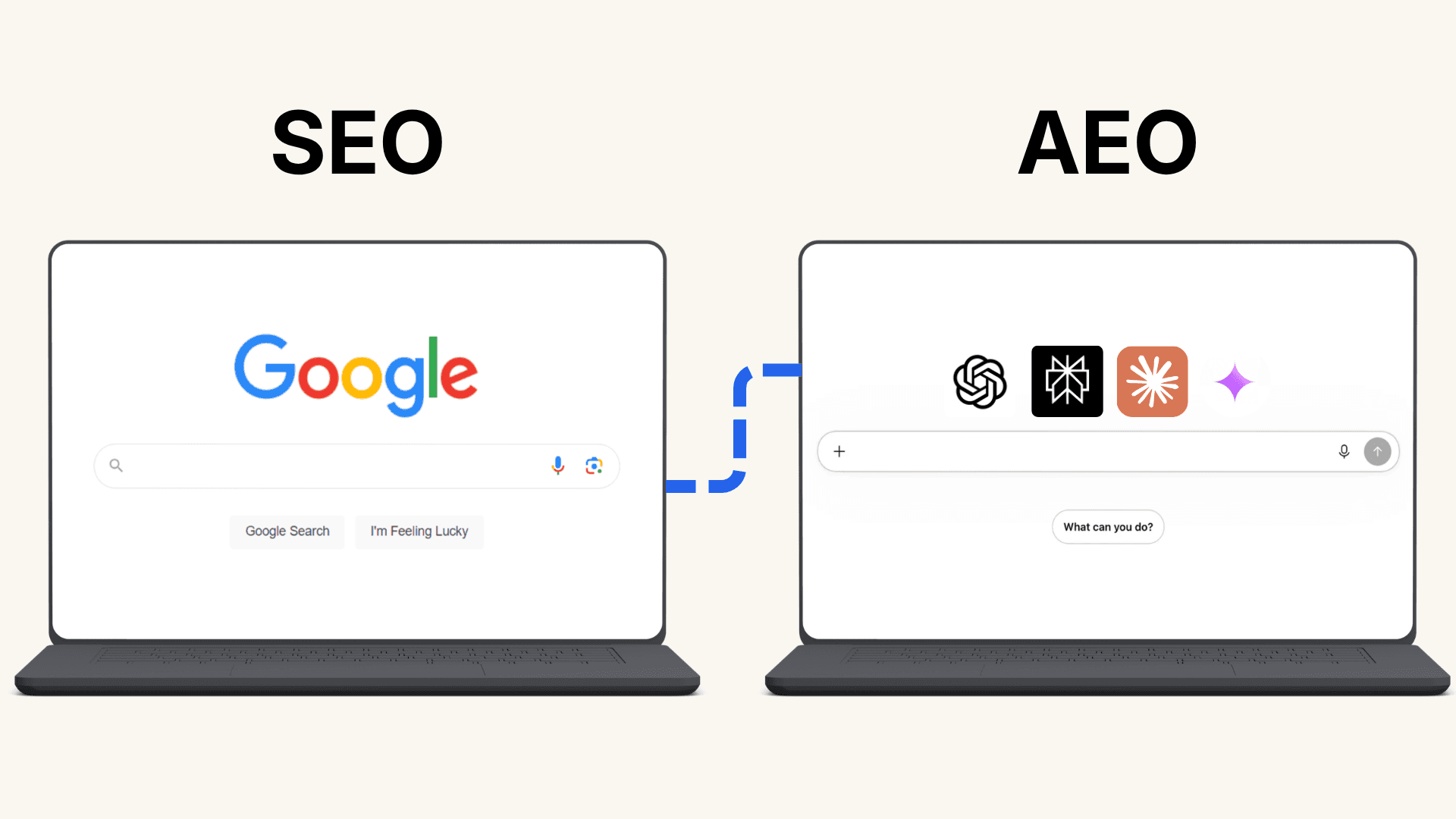
AEO can feel like a brand-new discipline to learn from scratch, right as clicks from Google search keep dropping. It isn't. AEO is built on the SEO fundamentals already in place, here's how the two actually work together.

AI Visibility
on
How online reviews improve AI visibility: why reviews matter
Online reviews give AI search tools more context about your brand by showing what real customers say about your products or services. Learn how reviews, reputation, and online mentions can support your AI visibility and help AI understand when your brand may be relevant.

AI Visibility
on
AI visibility: AI marketing that reaches decision makers
AI marketing isn't just content and ads anymore, it's how the buying committee actually finds you. Here's who's using ChatGPT, Perplexity, Claude, and Google AI Overview, and why missing even one of them can cost you the sale.

AI Visibility
on
August 2026 ranking dips explained: seasonal trends vs. AI visibility changes
Is your August ranking drop seasonal or AI related? Learn which SEO and AI visibility signals can help you find out.